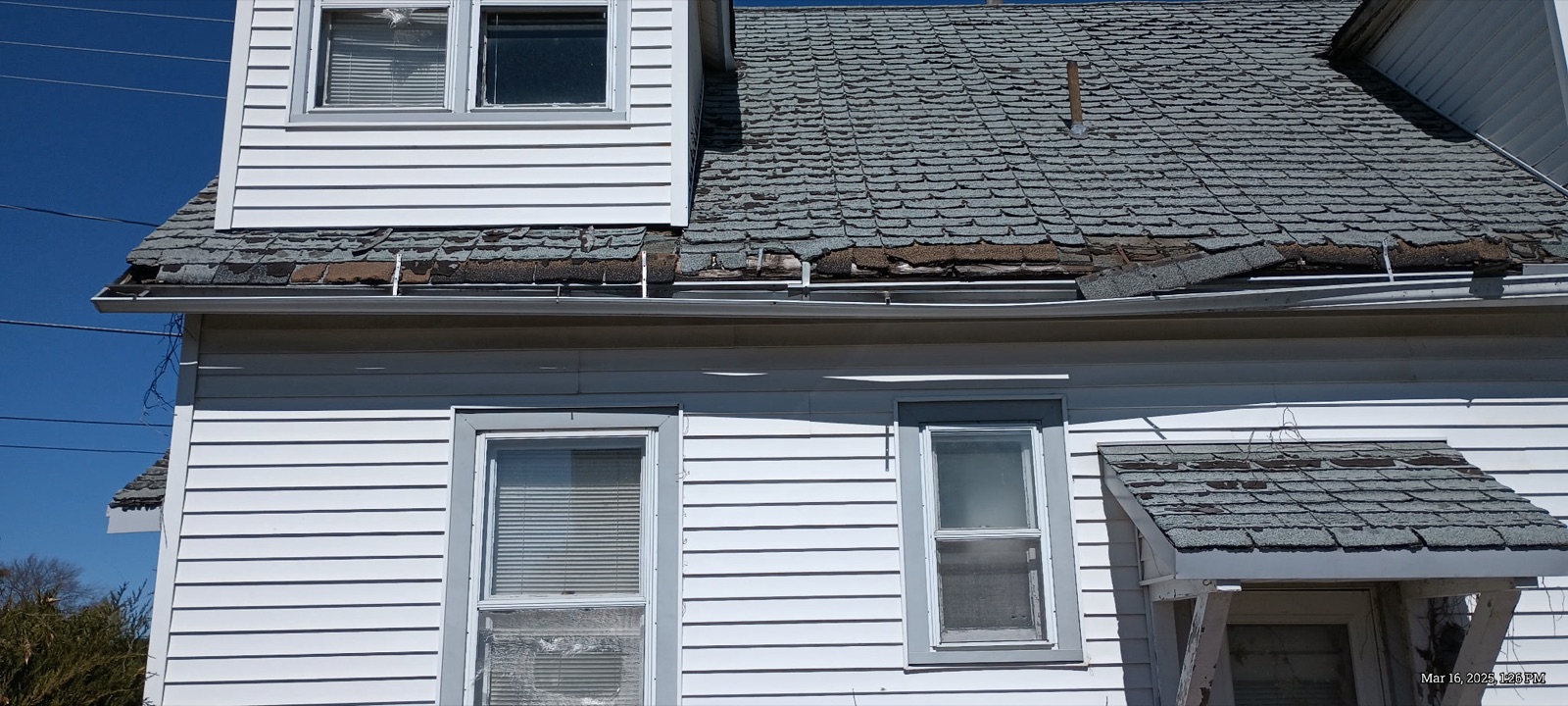
Published July 29, 2026, by Drew Heberer, owner of Black Ridge Contracting.
Hail damage on an Iowa asphalt roof usually shows up as small dark bruise spots where the granules have been knocked loose, dented soft-metal fixtures on vents and flashing, and heavier-than-normal granule buildup in your gutters after the storm passes. Most of it you can spot from the ground if you know what to look for. Here is the honest guide to what matters, what does not, and what to do in the first 72 hours after a storm rolls through Central Iowa.
The 5 Signs of Hail Damage on an Iowa Roof
1. Bruises on the shingles
The single most reliable sign of hail damage on an asphalt shingle roof is a bruise. Bruises look like small dark circular spots, usually the size of a nickel to a quarter, scattered across the roof face that took the impact. Under the bruise, the shingle feels soft or spongy when pressed with a fingertip. The dark color comes from the black fiberglass mat that shows through where hail knocked the protective granule surface loose. Bruises are not just cosmetic. They mark spots where the waterproof mat has been compromised, and those spots will fail earlier than the rest of the roof under the next weather cycle.
2. Heavy granule loss
Asphalt shingles have a protective layer of colored mineral granules on top. Hail impact strips those granules off in patches. On a fresh roof, granule loss is easy to see because the affected area looks lighter or duller than the surrounding shingles. On a 15-year-old roof, granule loss from hail is harder to distinguish from normal wear, which is where an experienced eye matters. Either way, once granules are gone, the shingle mat is exposed to Iowa sun and weather and starts aging much faster.
3. Dented soft-metal fixtures
The clearest hail damage evidence is often not on the shingles themselves. Look at any soft-metal fixture on the roof: aluminum vent hoods, plumbing vent boots, the top edge of aluminum flashing around chimneys, gutters, gutter guards, and downspouts. Round dents on these fixtures confirm the hail was large enough and traveled fast enough to also damage the shingles nearby. If the vents look like they got hit by a nail gun with round tips, the shingles took it too.
4. Cracked or split shingles
Larger hail, especially anything over 1.5 inches, can crack shingles outright instead of just bruising them. Cracks run through the tab and expose the underlying layers. These are more common on older or more brittle shingles that had already lost flexibility. Cracked shingles are an active leak risk and need to be addressed, not just documented.
5. Damaged shingle edges and corners
Wind that comes with hail lifts shingle edges and tears corners off the tabs, especially along the ridge, eaves, and rakes. These are wind damage signs that often show up alongside hail on the same storm. Missing or curled tabs, torn corners, and exposed seal strips all count.
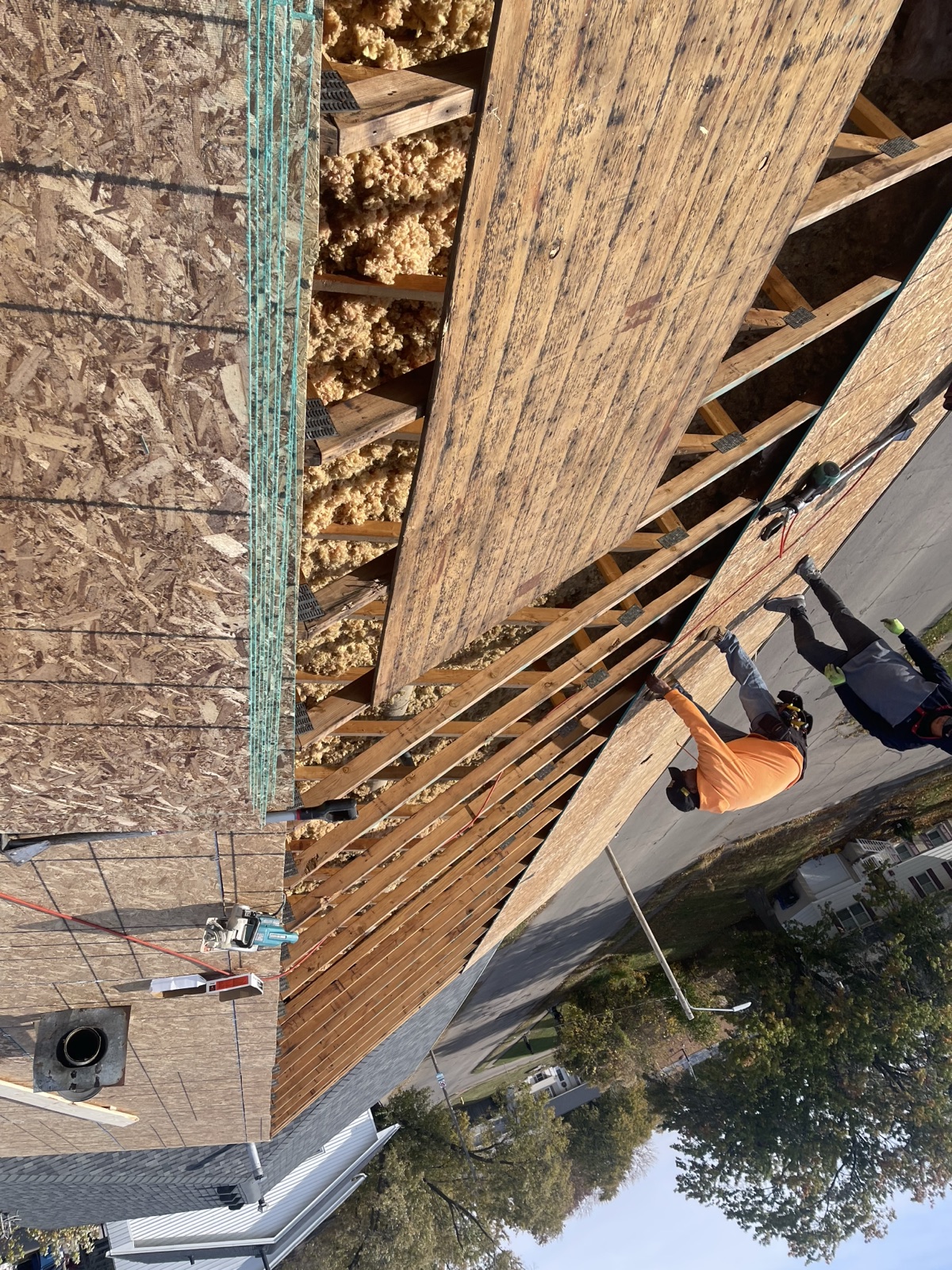
A tear-off in progress on a Central Iowa job. Once shingles come off, we can see the deck condition and know exactly what needs replacing.
What You Can See From the Ground (Without Climbing Anything)
You do not need to climb your roof to get a first-pass read on hail damage. Actually, please do not climb it. Wet or hail-damaged roofs are slick and structurally unpredictable. Nothing you can see up there is worth a fall.
Here is what to check from the ground and around the outside of your home. First, walk the perimeter and look at your gutters and downspouts. Heavy accumulation of shingle granules, well past what a normal roof sheds, points to hail. Next, check the siding, screens, and window trim for dents or dings. If hail hit those surfaces hard enough to leave marks, it hit the roof harder. Then look at your air conditioner condenser fins, patio furniture, and any painted metal fixtures for round dings. Finally, check the yard for missing shingles, tab pieces, or roof debris. If you see any of these signs, get a free professional inspection scheduled while the damage is still fresh and easy to document for insurance.
Why "It Looks Fine From Down Here" Is Often Wrong
The most expensive misread of hail damage in Iowa is the homeowner who looks at the roof, sees the shingles are still there, and decides everything is fine. Then two winters later they have a leak that started as a bruise nobody documented. By then, the storm date is long past, the insurance claim window is closing, and the fix comes out of pocket.
Bruises are almost impossible to see from ground level. On a dimensional or architectural asphalt roof (the most common Iowa style), the surface texture makes bruises look identical to normal shadow. That is why an on-roof inspection matters after any significant hail event. The whole point of the free inspection we offer is to catch damage that is easy to document today and expensive to argue about later.
The First 72 Hours After an Iowa Hail Storm
Here is the real order of operations.
- Stay off the roof. No inspection is worth an ER trip.
- Document from the ground. Take photos of anything visible: gutters full of granules, dented siding, debris in the yard, dinged AC unit, damaged screens. Timestamps on the photos help.
- Do not sign anything at the door. Storm chasers show up in the neighborhood within hours of every Iowa hail event carrying clipboards. A few are legitimate. Get a local, referenced roofer instead. Here is how we handle the process.
- Get a free inspection scheduled. Local roofer, on-site, no obligation. If the damage is real and claim-worthy, they document it. If it is not, they tell you honestly and you do not have to file. Schedule an inspection here.
- If active leaking, get a tarp on it. Most Iowa roofers, including us, tarp active leaks within 24 hours during storm season. Stops the interior damage while the claim runs.
- File the insurance claim once damage is confirmed. Sooner is better. Many policies limit wind and hail claims to one year from the date of loss (some less), and adjusters treat older claims harder. Check your specific policy for the deadline.
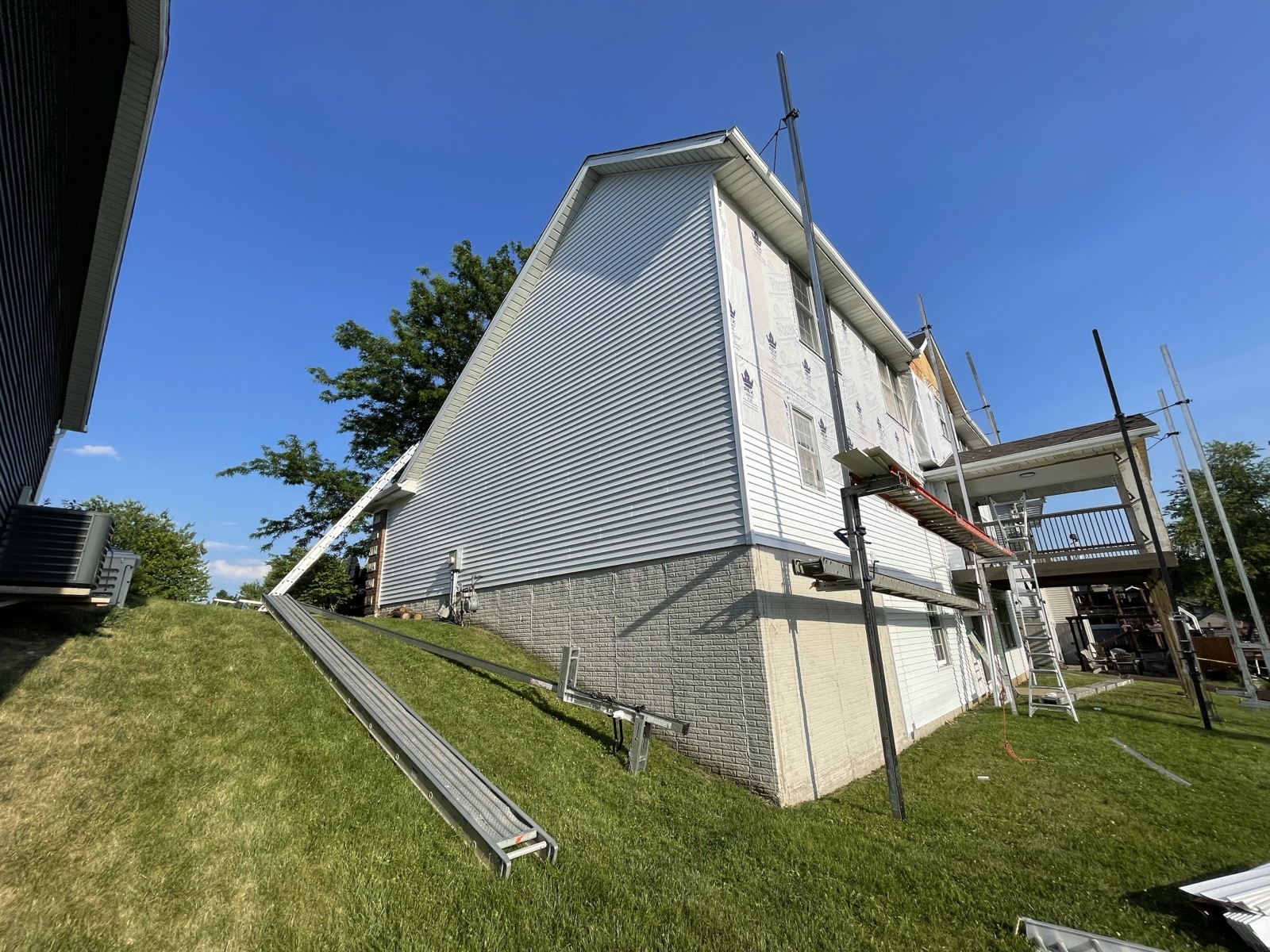
Close-up of dimensional shingles during an inspection. The bruises hail leaves behind hide well until you get right on top of them.
When It Is Worth Filing an Insurance Claim
Not every hail event is worth a claim. Here is how to think about it honestly.
File the claim when the damage is widespread, when bruises appear on multiple roof faces (not just one), when soft-metal fixtures are clearly dented, when there is any active leak, or when the roof is 10+ years old and the storm hit it hard. In those cases, the claim protects you from accelerated aging you cannot see and future leaks that trace back to this storm.
Do not file when the damage is cosmetic-only and the roof is very new (under 5 years), when bruising is limited to one small isolated area, or when the total repair cost will not clear your deductible. Filing a claim that gets denied still counts against your claim history and can push your premium up on the next renewal cycle.
The right move is always a free inspection first. We look at the roof honestly, tell you whether the damage is claim-worthy, and let you make the call. We get paid for the work we actually do, and pushing borderline claims is how storm-chaser roofers burn homeowners.
Frequently Asked Questions
What does hail damage look like on an asphalt roof?
Small dark circular bruise spots where granules have been knocked loose and the underlying black fiberglass mat shows through. Damaged shingles feel soft when pressed. Soft-metal fixtures like vent hoods and flashing show round dents that confirm the hail was large enough to also affect the shingles.
Can I check for hail damage myself without going on the roof?
Yes, and you should. Check your gutters and downspouts for heavy granule accumulation. Look at your siding, screens, and window trim for dents. Check your neighbors' roofs and yards for missing shingles. If any of these signs are present, schedule a professional inspection.
How long do I have to file a hail damage insurance claim in Iowa?
Many Iowa policies limit wind and hail claims to one year from the date of loss, and some allow less. Check your specific policy for the deadline. Many insurers also recommend filing within 30 to 60 days while damage is fresh. Sooner is always better because storm-damaged shingles keep degrading with every weather cycle.
Does hail damage always mean I need a full roof replacement?
Not always. Localized damage on a newer roof can sometimes be repaired. But widespread bruising, especially on a roof over 15 years old, usually means a full replacement makes more financial sense. Your policy and the extent of the damage drive the decision.
Is it worth filing an insurance claim if hail damage looks minor?
It depends on damage severity versus your deductible. Cosmetic-only damage may not clear the deductible and can hurt your claim history. But bruising that compromises the shingle mat needs to be documented and filed because the damage keeps worsening. A free inspection tells you honestly whether the damage is claim-worthy.
One More Option Worth Knowing About
If the hail damage is catastrophic, if your roof needs a full replacement plus significant interior work from leaks, and if selling the home is on your mind anyway, there is a path most homeowners do not consider. My other business, Heberer Homes, buys Central Iowa houses in as-is condition for cash. No repairs required, no showings, no realtor commission. It is not the right move for most storm-damaged homes, but for the ones where the roof is one of five things wrong and you would rather cash out than fix it, it is worth knowing the option exists.
For everyone else, the standard playbook works. Get the free inspection, file the claim if the damage warrants it, and get the roof restored the right way.
Think Your Roof Took Hail Damage?
Free inspection from Central Iowa's family-owned roofing team. We come out, walk the roof, take photos, and give you an honest report. No pressure to file a claim if the damage does not warrant it.
Schedule a Free Inspection → ☎ Call (515) 219-4654